As Amazon Associates, we earn from qualifying purchases. This means we may receive a small commission at no extra cost to you if you click through and make a purchase.
If you want full perimeter visibility across your driveway, front porch, and backyard without routing high-voltage wiring through your exterior walls, the Blink Outdoor 4 (3-Camera System) offers an accessible path to whole-property monitoring. Purchasing a 3 blink outdoor camera package eliminates the compromise of leaving an entry point unattended, delivering balanced coverage for the most targeted exterior zones of a standard residential lot. Because each unit functions entirely on battery power and connects back to a centralized wireless transceiver, you avoid calling an electrician or punching holes through masonry siding.
This comprehensive guide examines how well a blink 3 outdoor camera installation holds up against daily environmental exposure, busy household traffic, and network interruptions. We break down the real-world battery endurance, dual-zone detection behavior, cloud versus local clip storage realities, hardware build quality, and installation workflow so you can decide if this hardware bundle matches your exact home security requirements.
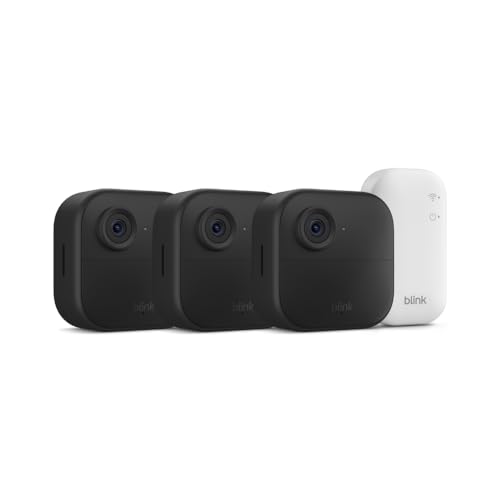
What You Get With the Blink Outdoor 4 (3-Camera System)
Blink Outdoor 4 (3-Camera System)


Photographs published on the Amazon listing.
Unboxing the system reveals everything needed to mount three separate cameras and establish their baseline wireless network connection right away without purchasing supplemental installation gear.
- Three Blink Outdoor 4 wireless smart security cameras
- One Blink Sync Module Core central network transceiver
- Six 1.5V AA Energizer lithium non-rechargeable batteries
- Three complete mounting kits with exterior mounting screws
- One USB-C power cable for the sync module
- One standard indoor power adapter
Key Specifications
Feature
Specification Detail
- Video Resolution
- 1080p HD day recording and infrared night live view
- Power Source
- Two AA Energizer lithium batteries per camera unit
- Rated Battery Life
- Up to two years depending on activity and settings
- Motion Detection
- Enhanced dual-zone motion detection sensors
- Advanced Detection
- Computer vision person detection (optional subscription required)
- Audio Capabilities
- Two-way audio with live streaming communication
- Central Hub Included
- Sync Module Core (local storage not included)
- Smart Home Ecosystem
- Amazon Alexa voice commands and smart display integration
- Storage Options
- 30-day cloud trial included; optional subscription or separate hardware required for backups
Copied from the Amazon listing. These figures were not measured here.
Mounting and Physical Hardware Setup
Completing a blink outdoor 4 setup requires minimal mechanical effort because the hardware relies on independent mounts rather than fixed conduits. Each camera mounts to an exterior surface via a compact swivel bracket, allowing you to position the lens along exterior soffits, vinyl siding, brick walls, or fence posts. Because the package includes three separate mounting assemblies, homeowners can immediately place one unit pointing at the front walkway, a second watching side access gates, and a third pointed toward a patio or detached garage.
Connecting the cameras to your home network relies entirely on the included blink sync module core. The sync module plugs into a standard interior wall outlet via the included USB-C cable and adapter, acting as the intermediary communication relay between your home wireless router and the cameras. When setting up the system, positioning the sync module midway between your router and the outermost cameras ensures stable signal distribution, minimizes latency, and prevents motion trigger delays during everyday use.
For households that also maintain specialized entryway hardware, integrating this three-camera array alongside a dedicated blink doorbell outdoor camera creates a unified surveillance ecosystem inside the companion mobile application. The setup workflow inside the app walks you through scanning the QR codes stamped on the module and camera chassis, adding all three units to your system dashboard in under twenty minutes without professional tools.
Dual-Zone Motion Detection in Daily Operation
Evaluating blink outdoor motion detection reveals substantial improvements over older single-sensor camera architectures. The dual-zone layout splits the optical field of view into distinct detection sections, allowing the internal sensors to verify lateral movement across zones before waking the optical engine. This split-zone design helps prevent unnecessary triggers caused by distant tree branches swaying in high winds or minor light fluctuations from passing vehicle headlights on the street.

When assessing the Blink Outdoor 4 for home security, response time remains the most critical factor for catching unexpected visitors or package deliveries. Dual-zone processing delivers alerts to your smartphone screen quickly when an object breaches your active boundary. Within the mobile application, users can configure motion sensitivity sliders and mask out high-traffic sidewalks, concentrating motion triggers strictly on property borders, doorways, and private driveways.
While standard motion tracking registers any significant heat and movement signature, the system also offers embedded computer vision person detection. This software-driven feature analyzes frames in real time to filter out passing wildlife and neighborhood pets, sending specific notifications only when a human form is identified. However, accessing person detection functionality requires an active Blink Subscription Plan, meaning users relying solely on basic unsubscribed hardware miss out on automated human filtering.
Battery Longevity and Power Demands
The standout marketing promise for this platform is battery endurance, and understanding actual blink outdoor 4 battery life requires examining how the hardware manages power states. The cameras do not operate in an active listening state continuously; instead, they stay asleep in an ultra-low-power standby mode until the low-frequency radio from the sync module wakes them or an onboard passive infrared sensor detects movement. This engineering choice is what enables the included Energizer lithium batteries to function for extended periods without frequent climbing on ladders.
Reaching the advertised two-year operational window depends heavily on your daily clip volume, climate conditions, and live view habits. If a camera faces an active driveway recording dozens of daily events with high-intensity infrared night illumination, battery depletion occurs substantially faster than on a camera covering a quiet side yard. Operating in extreme sub-zero winter temperatures can also depress cell efficiency, though lithium chemistry manages cold environments far better than standard alkaline alternatives.
To ensure prolonged operation without frequent battery swaps, users should balance their clip recording lengths and minimize unnecessary live-stream viewing. If you plan to deploy additional perimeter illumination, pairing your hardware with a specialized unit like the blink outdoor floodlight camera wireless can illuminate wide areas while reserving standard Outdoor 4 units for targeted, energy-efficient observation points around hidden corners.
Storage Constraints of the Sync Module Core
A vital detail within the blink outdoor 4 3 camera system specs is the nature of the bundled sync module. This package includes the Sync Module Core, which maintains wireless connectivity and camera coordination but does not include onboard local storage capabilities. There is no integrated USB flash drive port or MicroSD expansion slot on the Sync Module Core itself, meaning out-of-the-box clip archiving relies strictly on remote servers.
The manufacturer includes a 30-day free trial of the Blink Subscription Plan with the bundle, allowing buyers to save, share, and review video recordings stored in cloud servers directly through the mobile app. Once that trial expires, continuous clip recording and person detection alerts cease unless you enroll in a paid monthly or annual subscription tier. Without a cloud plan, the system operates in a live-view-only mode with basic motion push alerts, but saved video logs will not be retained.
Homeowners who strongly prefer keeping their surveillance data off external servers must invest in separate hardware accessories. To achieve physical on-premise backups, you must purchase a Sync Module XR with a MicroSD card or upgrade to a blink outdoor camera sync module 2, which supports local flash drive recording. Understanding this architectural boundary prevents unpleasant surprises when the initial 30-day cloud period concludes.
Blink Outdoor 4 (3-Camera System) Pros and Cons
Pros
- Wire-free exterior installation
- Up to two-year battery life with lithium cells
- Dual-zone motion detection reduces false alarms
- Seamless voice integration with Amazon Alexa
- Three cameras provide balanced property coverage
Cons
- Sync Module Core lacks local storage ports
- Person detection requires an ongoing subscription
- Event-based recording only without continuous footage
Check Blink Outdoor 4 (3-Camera System) on Amazon
Is the Blink Outdoor 4 (3-Camera System) Worth It
Answering whether is blink outdoor 4 3 camera system worth it comes down to your personal stance on subscription plans and physical installation constraints. For homeowners, renters, and property managers who want immediate exterior monitoring without fishing cables through attics or drilling exterior power outlets, this bundle delivers undeniable convenience. Three cameras provide adequate triangular coverage for typical suburban properties, watching the primary front, back, and garage perimeter zones seamlessly.
Users deeply invested in the Amazon smart home ecosystem will find immense value in the native Alexa integration. You can easily prompt an Echo Show screen to display exterior video feeds or arm and disarm system monitoring using voice commands. The setup workflow is exceptionally straightforward, making it an excellent match for casual consumers who find complicated network video recorders and IP camera subnets intimidating.
Conversely, if your priority is 24/7 continuous surveillance recording or zero-ongoing-fee local storage right out of the box, this package will fall short without supplementary gear. The reliance on battery power means it records short event bursts rather than continuous operational footage, and the Sync Module Core mandates either a recurring cloud plan or separate local storage hardware to preserve video evidence long-term.
Other Options to Consider
Motion Detection suits shoppers who need a compact wired indoor monitoring camera with two-way audio, night vision, a built-in siren, and flexibility between cloud and physical SD card storage rather than a weatherized exterior battery system.
VicoHome Cam appeals to property owners looking for a four-camera exterior package featuring 2K video resolution, color night vision, IP65 waterproofing, and built-in SD card support to avoid relying on a proprietary sync hub.

Ring Indoor Cam is the preferred choice for homeowners who already operate within the Ring security ecosystem and need a dedicated 1080p plug-in interior camera for entryway tables or living areas rather than outdoor battery-operated cameras.
FAQ
How long do the included batteries last in daily use?
The manufacturer rates the included AA Energizer lithium batteries for up to two years of standard use. However, actual battery life fluctuates based on how frequently the camera detects motion, your chosen recording length, operating temperatures, and how often you activate live view streaming.
Does the Sync Module Core support local video storage out of the box?
No, the Sync Module Core included in this specific bundle does not feature local storage ports. To back up footage locally without relying on cloud servers, you must separately purchase either a Sync Module 2 with a USB flash drive or a Sync Module XR with a MicroSD card.
Do you need a monthly subscription to use these cameras?
The system works for real-time alerts and live view streams without a monthly fee. However, retaining recorded video clips in the cloud and utilizing advanced person detection computer vision features requires an active Blink Subscription Plan following the expiration of the included 30-day free trial.
Can the Blink Outdoor 4 detect people without triggering on cars or animals?
Yes, the camera incorporates embedded computer vision technology capable of identifying person-shaped movement to minimize false alerts. However, this specific person detection functionality is only active when your account has an ongoing Blink Subscription Plan.
How does the system connect to smart home platforms?
The cameras interface directly with Amazon Alexa devices via the Blink Alexa Skill. Once linked, you can use voice commands to arm or disarm the system, and you can stream live camera feeds directly to compatible smart displays such as an Echo Show.