
As Amazon Associates, we earn from qualifying purchases. This means we may receive a small commission at no extra cost to you if you click through and make a purchase.
When pulling daily shots of espresso, roasted coffee oils and microscopic grounds inevitably accumulate inside the group head, shower screen, and internal pressure release pathways. If you are wondering whether Urnex Cafiza Cleaning Tablets are the right buy to keep your espresso equipment operating properly, the straightforward answer is yes for any setup equipped with a backflush valve or compatible cleaning cycle. Formulated specifically as an espresso machine cleaner, this container delivers 100 pre-measured 1.2-gram tablets engineered to break down stubborn, baked-on coffee residue without requiring messy measuring scoops or guesswork.
Routine group head cleaning directly influences espresso extraction flavor, prevents bitter off-notes from stale residue, and keeps three-way solenoid valves operating smoothly. In this comprehensive review, we examine the manufacturer specifications, evaluate how the tablet format simplifies routine maintenance, and detail the functional differences between detergent degreasing and mineral descaling. We also explore machine compatibility, walk through standard backflushing procedures, and compare these tablets with alternative cleaners so you can decide if this jar fits your daily coffee routine.
What You Get With the Urnex Cafiza Cleaning Tablets
Urnex Cafiza Cleaning Tablets

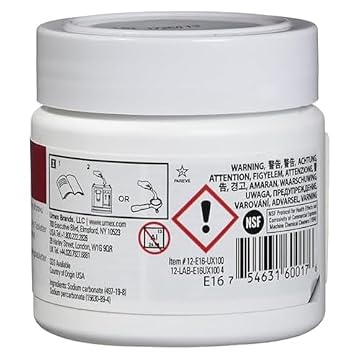


Photographs published on the Amazon listing.
Urnex packages this cleaning solution in a single sealed jar intended for home baristas and commercial coffee stations requiring regular group head servicing. The listing outlines a focused, professional-grade product designed specifically for coffee soil removal rather than multi-purpose kitchen cleaning.
- One jar containing 100 concentrated 1.2g cleaning tablets
- Specialized formulation designed to eliminate coffee residue and oils from espresso machine group heads, valves, and lines
- Controlled tablet format that provides precise single-dose application without loose powder waste
- National Sanitation Foundation (NSF) certified formulation meeting commercial sanitation requirements
- Organic Materials Review Institute (OMRI) listed product verifying suitability for organic operations
- Unscented composition engineered to rinse away completely without leaving aromatic residues
Key Specifications
Attribute
Detail
- Brand Name
- Urnex
- Model Number / Part Number
- 12-E16-UX100
- Item Form
- Tablet
- Unit Count and Size
- 100 Count (Pack of 1)
- Individual Tablet Weight
- 1.2 g
- Total Item Weight
- 0.11 kg
- Scent
- No Scent
- Specific Uses For Product
- Coffee Equipment
- Surface Recommendation
- Espresso Machines
- Certifications
- OMRI Listed, NSF Certified
- UPC / GTIN
- 772195636097 / 00754631600176
Copied from the Amazon listing. These figures were not measured here.
Residual Oil Removal and Internal Valve Cleaning
Espresso extraction operates under high pressures and temperatures, forcing hot water through finely ground coffee cakes. During this dynamic process, natural oils and microscopic particulate migrate past the shower screen and deposit across the dispersion block. On traditional semi-automatic machines equipped with a three-way solenoid valve, the excess brew chamber pressure exhausts backward through internal pathways at the end of each shot. Over time, that exhausted liquid coats the valve seat and exhaust tube in sticky coffee oils that harden under boiler heat. Left unaddressed, these oils turn rancid, tainting sweet espresso notes with harsh, astringent bitterness while potentially causing the release valve to stick.
The formulation in Urnex Cafiza is tailored specifically to clean heavily soiled equipment in demanding environments by emulsifying those stubborn organic compounds. When forced through the delivery system during a pressurized maintenance cycle, the detergent breaks the chemical bond between the metallic brass or stainless steel surfaces and the polymerized coffee oils. Rather than merely rinsing loose surface grounds like hot water alone would do, the active agents solubilize the baked-on lacquer. For those operating contemporary kitchen setups like the ninja luxe cafe espresso machine, keeping the brew interface clean ensures that cup profile changes stem from your coffee bean selection rather than accumulated residue.
Because the formula carries NSF certification and an OMRI listing, commercial establishments and home users can be confident that the product complies with strict environmental and sanitation standards. The detergent rinses away fully during standard clearing cycles without leaving behind chemical films. This complete rinsability is vital because any residual surfactant left inside the group head would destabilize the delicate crema emulsion of subsequent espresso extractions.
Tablet Dosing Versus Loose Cleaning Powder
A primary buying consideration when comparing espresso machine backflush tablets to bulk powder jars is dosing control. Traditional cleaning powders require using a dedicated measuring spoon or eyeballing a loose quarter-teaspoon into a blind portafilter basket. In a busy kitchen or commercial espresso bar, loose powder frequently spills across countertops, clumps inside humid storage jars, or results in inconsistent dosages. Adding too little powder can leave stubborn coffee lacquer behind, while dumping too much detergent risks incomplete dissolution, wasting cleaning material inside the portafilter cavity.
The 1.2-gram tablet format of Urnex Cafiza eliminates measuring uncertainty entirely. Each tablet is pressed to provide the exact concentration needed for a standard maintenance run. The 0.11-kilogram total package contains 100 individual doses, allowing espresso owners to track precisely how many cleaning cycles remain in their jar. The compact 1.2g size fits effortlessly into standard 54-millimeter and 58-millimeter portafilters beneath a rubber backflush disc, as well as the specialized cleaning chutes found on select automated equipment.
In addition to portion control, the pressed tablet design controls how quickly the detergent dissolves during the backflush cycle. When water hits loose powder, much of it can wash out through the exhaust port in the initial pressure pulse. The compressed tablet dissolves steadily across sequential pressurized brew cycles, maintaining detergent concentration throughout the full cycling sequence. This uniform dissolution ensures that the internal pathways receive prolonged contact with the cleaning agent before the final fresh water rinsing cycles begin.
Espresso Machine Compatibility and Routine Maintenance Regimen
Before purchasing any espresso detergent, identifying your machine style and internal plumbing layout is essential. Urnex Cafiza tablets are designed for backflushing machines featuring an expansion pathway or three-way solenoid release valve, which includes most commercial groups and enthusiast home appliances. For owners using a dedicated semi-automatic setup or exploring alternatives like the magnifica start espresso machine, consulting your specific manufacturer manual regarding chemical group cleaning cycles is always recommended. Some fully automatic models support tablet-based cleaning through an integrated bypass compartment, whereas others restrict chemical cleaners to removable brew groups rinsed by hand under warm water.
A frequent point of confusion among espresso machine owners is the distinction between oil removal and mineral descaling. Urnex Cafiza is an espresso machine cleaner formulated to target coffee residue, organic solids, and oils; it is not a descaler. Descalers rely on acidic compounds to dissolve calcium and magnesium carbonate scale formed inside water boilers and thermo-coils. Using Cafiza to treat limescale will yield disappointing results, just as running a descaling acid through a portafilter will fail to break down baked coffee oils. Effective machine care requires pairing regular Cafiza group head backflushing with a separate periodic descaling routine using an appropriate acid-based descaler suited to your regional water hardness.
Portafilter sizing also affects compatibility. At 1.2 grams per tablet, these units are proportioned to fit neatly into domestic portafilters, including 54mm groups commonly found in compact home espresso units, as well as standard commercial 58mm E61 group designs. If your routine includes advanced automated appliances like the philips 3300 series fully automatic espresso machine with lattego milk system and integrated grinder, you must verify whether your unit supports tablet-based group maintenance or if the brew block requires manual disassembly and water-only rinsing. Matching the detergent format to your machine architecture protects sensitive silicone gaskets and ensures reliable pump operation.
Step-by-Step Backflushing and Component Soaking
Using Cafiza cleaning tablets requires following an orderly backflushing sequence to maximize residue removal while protecting the pump. Begin by placing a solid rubber blind disc or a solid metal blind basket into your portafilter. Place a single 1.2-gram tablet directly in the center of the blind basket, then lock the portafilter firmly into the group head as you would when pulling a shot. Engage the pump for approximately ten seconds to build full brew pressure, allowing water to dissolve the tablet and fill the dispersion chamber. Stop the pump for ten seconds to let the detergent dissolve the coffee oils inside the group head and exhaust valve, then repeat this start-and-stop cycle five times.
Once the five detergent cycles are complete, unlock the portafilter and rinse out any remaining foam or loosened residue under the group head flow. Reinsert the empty blind basket without any cleaner and repeat the ten-second run-and-pause cycle five more times using fresh water alone. This thorough rinsing step flushes all residual detergent from the solenoid valve, internal passages, and shower screen, ensuring zero cleaner remains in the hydraulic circuit.
Beyond group head backflushing, these tablets work effectively for component soaking. Metal portafiltres, stainless steel filter baskets, and dispersion screens gather dark oily coatings that regular sponge washing cannot lift. Dissolving one or two tablets in a basin of hot water creates an effective soak solution for metal parts. After soaking for twenty to thirty minutes, the coffee glaze loosens and wipes away effortlessly with a soft cloth. When performing a soak, avoid submerging plastic handles or aluminum portafilter bodies, as commercial detergents can discolor aluminum surfaces over prolonged immersion.
Urnex Cafiza Cleaning Tablets Pros and Cons
Pros
- Controlled 1.2g single-tablet dosing
- NSF certified and OMRI listed
- Generous 100-count container supply
- Eliminates stubborn coffee oils and residue
- Unscented formula leaves no lingering aromas
Cons
- Targets coffee oils rather than mineral limescale
- Requires machine compatible with backflushing
Check Urnex Cafiza Cleaning Tablets on Amazon
Is the Urnex Cafiza Cleaning Tablets Worth It
For baristas, cafe operators, and home espresso hobbyists who own a machine equipped with a three-way solenoid valve, the Urnex Cafiza Cleaning Tablets provide clear value. The pre-portioned 1.2g format removes the irritation of spilled powder and measuring errors, giving you exactly 100 repeatable cleaning sessions in a single compact jar. The formulation effectively strips stubborn, polymerized coffee oils that foul beverage taste and jeopardize internal valve reliability over months of heavy daily brewing.
Casual coffee drinkers who only operate simple drip pots, manual pour-over cones, or basic capsule brewers will find less utility in these backflush tablets. Equipment lacking a backpressure exhaust mechanism cannot perform a pressurized backflush, rendering a dedicated backflush tablet unnecessary unless you regularly soak stained metal portafilters or stainless brew carafes. Furthermore, buyers looking to eliminate boiler mineral buildup must look toward dedicated descaling acids, as this alkaline detergent does not address hard water limescale.
If your goal is maintaining peak flavor extraction and protecting your espresso machine investment through disciplined, mess-free maintenance, this product is an outstanding addition to your coffee station. Its commercial sanitation pedigree, dual OMRI and NSF certifications, and controlled dosing make group servicing a quick, predictable task rather than an inconvenient chore.
Other Options to Consider
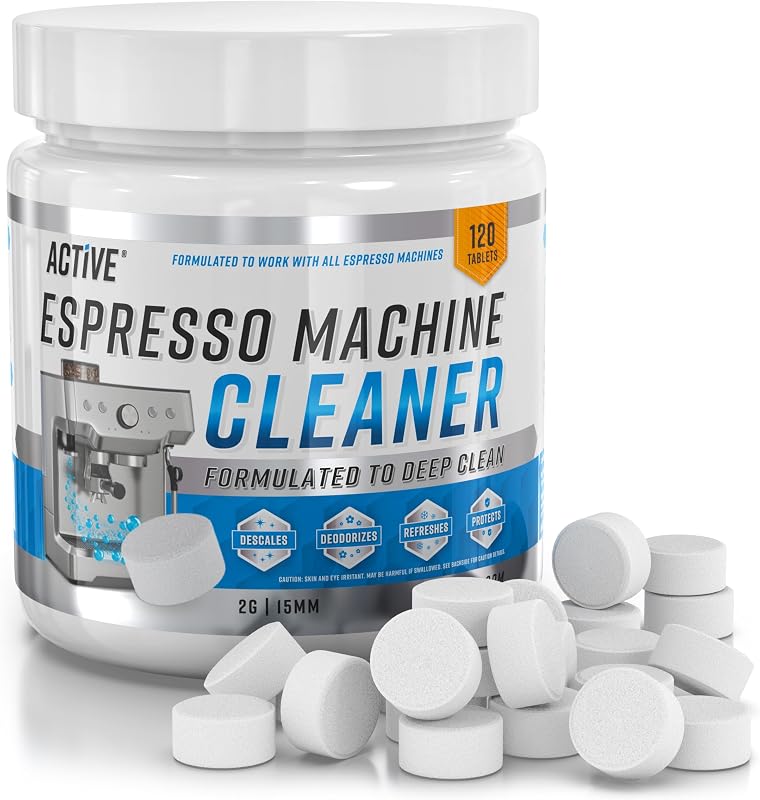
ACTIVE Espresso Machine Cleaning Tablets offer a 120-tablet package marketed for descaling and backflush oil removal across brands like Breville, Gaggia, Delonghi, Jura, and Philips, providing a higher tablet count for users seeking a multi-brand compatible maintenance tablet.
Solution for Keurig is a 2-pack universal liquid descaling solution from IMPRESA intended for limescale and mineral buildup removal in Keurig, Nespresso, Breville, De’Longhi, Jura, and Ninja machines, making it the better choice for households dealing with hard water scaling rather than oily group heads.
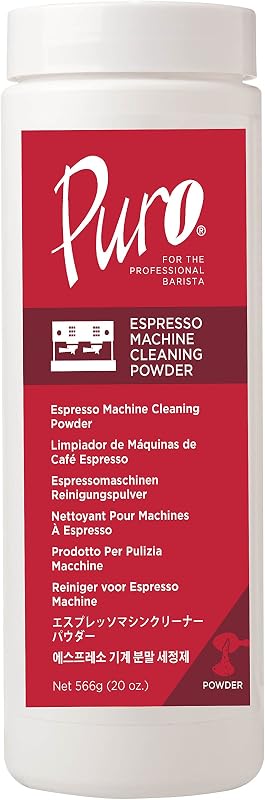
Puro Caff comes in a 20-ounce loose cleaning powder format designed to backflush espresso machines and clean airpots, suiting high-volume commercial stations or baristas who prefer measuring custom powder doses for bulk soaking tasks.
FAQ
What are the main Urnex Cafiza ingredients?
The product listing does not specify the individual chemical ingredients contained within the formulation. Urnex notes that the cleaner is an organic-certified material listed by OMRI and certified by NSF, designed specifically to strip away stubborn coffee residues, oils, and grease without lingering odors.
Can I use Urnex Cafiza tablets to descale my espresso machine?
No, Urnex Cafiza tablets are formulated exclusively for eliminating coffee oils and organic residues from brew groups, valves, and portafilters. They are not formulated to break down mineral scale or calcium deposits in boilers, which requires an acid-based descaling product.
Are Urnex Cafiza cleaning tablets compatible with Breville espresso machines?
Yes, semi-automatic Breville machines featuring a maintenance cleaning cycle and a rubber backflush disc accommodate standard small espresso cleaning tablets. The 1.2g size fits into the standard 54mm and 58mm cleaning discs used during routine automated cleaning cycles.
How often should I use Cafiza tablets for backflushing?
The product listing recommends using Cafiza as part of a daily backflush regimen in heavy-use professional settings. For typical home setups pulling one to three shots a day, backflushing with a cleaning tablet every two to four weeks, accompanied by daily plain-water backflushes, is generally sufficient to prevent oil build-up.
How do Cafiza tablets differ from Cafiza powder?
Both products use a specialized formulation to eliminate coffee oils, but the tablets provide consistent, pre-measured 1.2-gram dosing without loose powder waste or measurement guesswork. Powder is typically sold in larger bulk containers suitable for custom dosing and large-capacity soaking basins.


