
As Amazon Associates, we earn from qualifying purchases. This means we may receive a small commission at no extra cost to you if you click through and make a purchase.
Cooking in an apartment, camper, or shared kitchen frequently presents a ventilation problem that standard rental appliances fail to solve. Many living spaces lack vented overhead canopies, leaving renters and home cooks dealing with lingering cooking smells, grease films, and airborne mist. The TUCO Portable Range Hood is built to address this specific issue by offering a localized, ductless extraction solution that sits directly on the counter. Rather than exhausting air outdoors, this countertop kitchen exhaust fan with 3 speeds pulls cooking plumes through a targeted capture zone and recirculates filtered air back into the room. It does not replace a permanent range hood, but it delivers immediate grease condensation and odor interception right where food sizzles.
Whether you need a portable range hood for apartment living, a mobile setup for an RV, or a desktop exhaust fan for indoor bbq gatherings, selecting the right device comes down to airflow expectations and operating limits. Countertop range hood smoke removal relies on proximity, air velocity, and filtration media rather than raw exhaust power. In this review, we examine the TUCO portable range hood specs, break down the mechanics of its 5-layer filter, assess operating noise, and evaluate whether this compact tabletop system provides the performance you need for daily meal preparation.
What You Get With the TUCO Portable Range Hood
TUCO Portable Range Hood





Photographs published on the Amazon listing.
The unit arrives as a self-contained, plug-and-play desktop exhaust fan designed for immediate use straight out of the packaging without structural mounting or venting hardware.
- Ductless countertop exhaust fan housing built from rust-proof ABS and aluminum
- Advanced 5-layer filtration system containing a Quad-Core Condensation Filter and Activated Carbon Filter
- Built-in grease filter and integrated oil collector cup
- Integrated LED task lighting mounted directly above the intake
- Push-button control interface managing three fan speeds and illumination
- Extended 70-inch power cord designed for 120-volt household outlets
Key Specifications
Attribute
Detail
- Brand
- TUCO
- Air Flow Capacity
- 95 CFM
- Filtration System
- 5-Layer Filtration (Condensation & Activated Carbon)
- Speed Settings
- 3 Speeds
- Operating Noise Level
- 50 to 65 dB
- Power Consumption
- 36 Watts
- Electrical Specifications
- 120 Volts / 1.5 Amps
- Lighting Source
- Built-In LED
- Ventilation Type
- Ductless Recirculating
- Construction Materials
- ABS and Aluminum (Rust Proof)
- Power Cord Length
- 70 Inches
Copied from the Amazon listing. These figures were not measured here.
Airflow Dynamics and the Proximity Rule
The primary performance metric for any tabletop exhaust fan is its ability to draw air before steam and grease disperse into the surrounding environment. The TUCO unit is rated at 95 CFM (cubic feet per minute), driven by a 36-watt motor drawing 1.5 amps. In the realm of kitchen ventilation, 95 CFM is modest when compared to standard overhead installations that often move 300 to 600 CFM. However, the engineering strategy here focuses on proximity rather than gross room displacement. By pulling air directly at surface level, the intake creates a low-pressure pocket immediately adjacent to the pan.
According to the manufacturer guidelines, optimal performance requires positioning the unit within 4 inches of the stove or cooking vessel. This 4-inch proximity rule is critical for effective grease and vapor capture. Fluid dynamics dictate that air velocity drops off steeply as distance from the intake aperture increases. If placed 12 to 18 inches away, thermal updrafts from a hot skillet will easily overcome the 95 CFM draw, allowing smoke and aerosolized oil droplets to escape into the ceiling boundary layer. For cooks operating in narrow kitchen footprints alongside countertop tools like a kitchen aid standing mixer mini, reserving that dedicated 4-inch staging area next to an induction plate or single burner is necessary to achieve consistent results.
When kept within its intended envelope, the three-speed push-button selector lets you tailor capture velocity to your cooking method. The lowest setting provides gentle air movement suitable for simmering sauces or boiling water, while the highest speed ramps up face velocity to handle the initial burst of steam and oil generated when searing proteins or sauteing vegetables. Users must recognize that high-heat wok cooking or multi-burner preparations will overwhelm a single localized intake, as the fan can only capture plumes directed squarely into its face.
Filtration System and Oil Management
Because the TUCO unit is completely ductless, captured air is not expelled outside; it is cleaned and recirculated. The internal mechanical architecture relies on a 5-layer filter assembly that divides the workload between particle condensation and gaseous adsorption. The front stage uses a Quad-Core Condensation Filter made with aluminum components. As hot cooking fumes hit this cooler metal lattice, airborne grease and heavy steam condense against the mesh surfaces, coalescing into droplets that drain downward into the built-in oil collector cup rather than coating your countertops.
Behind the condensation stages sits an activated carbon filter layer engineered to address volatile organic compounds and cooking odors. In general air treatment, carbon media traps odor molecules through porous adsorption. While standard ambient purifiers such as the pure enrichment purezone mini portable air purifier focus on fine particulate drift across a closed room, an exhaust fan filter must manage heavy oil vapor before it fouls secondary surfaces. Separating liquid oil via the condensation core ensures the carbon pores remain unobstructed for a longer service life, preventing premature saturation from cooking grease.
The presence of a dedicated oil collector cup simplifies maintenance compared to open fans that leave grease pooled in internal housings. The rust-proof ABS and aluminum build allows users to wipe down the exterior matte surfaces after heavy frying sessions. For households looking to protect adjacent rooms from lingering odors, recirculating kitchen filtration works best as an immediate interceptor, stopping greasy mist from entering broader HVAC pathways where whole-home filters like the shark 3-in-1 air purifier, heater & fan filter would otherwise have to work overtime to clear fine particulates.
Noise Output and Kitchen Usability
Acoustic comfort is a major concern when an exhaust fan sits merely inches from where you stand. The TUCO unit is rated at an operating range between 50 and 65 dB, varying according to which of the three fan speeds is engaged. At its baseline speed, the 50 dB hum is comparable to a quiet desktop fan or modern refrigerator cycle. At this level, conversation remains natural, and the acoustic footprint does not intrude on small living quarters, making it practical for extended simmering, fondue, or broth reductions.
When switched to the third speed, the noise level climbs toward 65 dB, roughly equivalent to the sound of an active conversation or background television audio. While audible, 65 dB remains noticeably quieter than many builder-grade ducted under-cabinet hoods, which frequently exceed 70 dB on high settings. Because the fan uses a direct axial motor design enclosed within an ABS shell, vibrations are kept relatively contained on solid counter surfaces, though placing the unit on a completely level surface ensures the built-in oil collector remains stable during high-rpm operation.
Ergonomically, the unit includes a built-in LED light positioned to illuminate the culinary workspace. Portable cooktops, electric burners, and hot plates frequently suffer from poor ambient lighting in galley apartments or motorhomes. The integrated LED casts direct, neutral task lighting across the pan surface, giving the cook a clear view of sear development and liquid reductions. The push-button switches are mounted on top of the chassis for rapid adjustment with dry hands while monitoring food on the burner.
Performance in Apartments, RVs, and Tabletop Dining
Living in high-density apartments often means dealing with sensitive smoke alarms that trigger during routine pan-searing. The TUCO ductless exhaust fan acts as a buffer against these false alarms by snagging peak smoke output before it ascends toward ceiling-mounted ionization sensors. For studio apartments lacking exterior-vented hoods, running this unit next to an electric skillet creates an immediate capture zone that prevents grease aerosols from clinging to nearby upholstery, drapes, and cabinetry.
In recreational vehicles and travel trailers, interior air volume is exceptionally limited, and cooking moisture can rapidly elevate cabin humidity. A portable range hood for RV setups provides targeted steam reduction without requiring you to open large roof vents in rainy or cold conditions. The 70-inch power cord delivers substantial reach, allowing the unit to connect to standard 120-volt interior outlets while resting safely alongside an induction cooktop. Its 36-watt draw is gentle on RV electrical systems and portable power stations, making it efficient for off-grid or campsite usage.
Tabletop cooking formats—such as tabletop Korean barbecue, Japanese yakiniku, or hot pot—represent another ideal application. In these settings, diners cook directly at the dining table, generating continuous steam and oil splatter far away from any kitchen range hood. Setting this unit directly on the dining table creates a localized exhaust point that collects grease before it settles on tableware or clothes, making indoor social dining cleaner and significantly less odor-heavy.
TUCO Portable Range Hood Pros and Cons
Pros
- Ductless plug-and-play setup requiring zero installation
- Multi-stage 5-layer grease and carbon filtration
- Three selectable fan speeds with push-button controls
- Integrated LED light illuminates cooking surfaces
- Generous 70-inch power cord for flexible placement
- Low power consumption at just 36 watts
Cons
- Must sit within 4 inches of the pan
- Not designed to replace full-size range hoods
- Airflow capacity capped at 95 CFM
Check TUCO Portable Range Hood on Amazon
Is the TUCO Portable Range Hood Worth It
Determining whether this desktop exhaust fan is worth the counter real estate depends entirely on your cooking habits and living environment. If you are a renter in an apartment with no external venting, a student in a dorm room using a countertop burner, or an RV traveler battling interior moisture, the unit solves a stubborn logistical problem. It provides immediate, localized grease collection and vapor reduction that passive ventilation cannot match, all without drilling holes, altering lease property, or dealing with professional installation.
Conversely, this unit is not suited for cooks who routinely prepare meals across multiple large pans simultaneously, use high-heat gas ranges, or produce dense, continuous billows of smoke from searing thick steaks. The 95 CFM capacity and strict 4-inch operating proximity mean it cannot clear a room or manage heavy commercial-style cooking. Buyers expecting the broad coverage of a 30-inch overhead chimney hood will find it inadequate.
For individuals cooking single-pan dishes, utilizing electric skillets, or hosting interactive hot pot dinners, the TUCO model offers practical grease control and modest odor reduction in a sturdy, rust-proof form factor. As long as you respect the proximity requirement and maintain the filter system, it serves as a dependable kitchen accessory for compact spaces.
Other Options to Consider
BREETEE Portable Range Hood Kitchen–5-Layer is a direct competitor featuring a 5-layer filter, a 3-speed smoke removal motor, and a dedicated oil cup designed for apartments, dorms, RVs, and indoor barbecue, making it a viable alternative for shoppers seeking an all-black compact desktop exhaust fan with comparable multi-stage filtration.

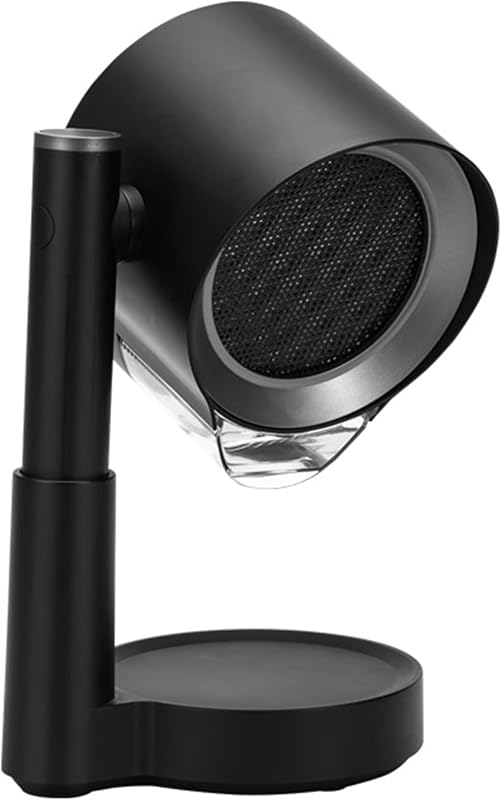
Portable Range Hood provides a desktop exhaust setup with 3-speed smoke removal, a built-in filter, and an oil cup, but adds a telescoping height mechanism that allows cooks to adjust the vertical position of the intake hood to match taller pots and stockpots better than fixed-height alternatives.
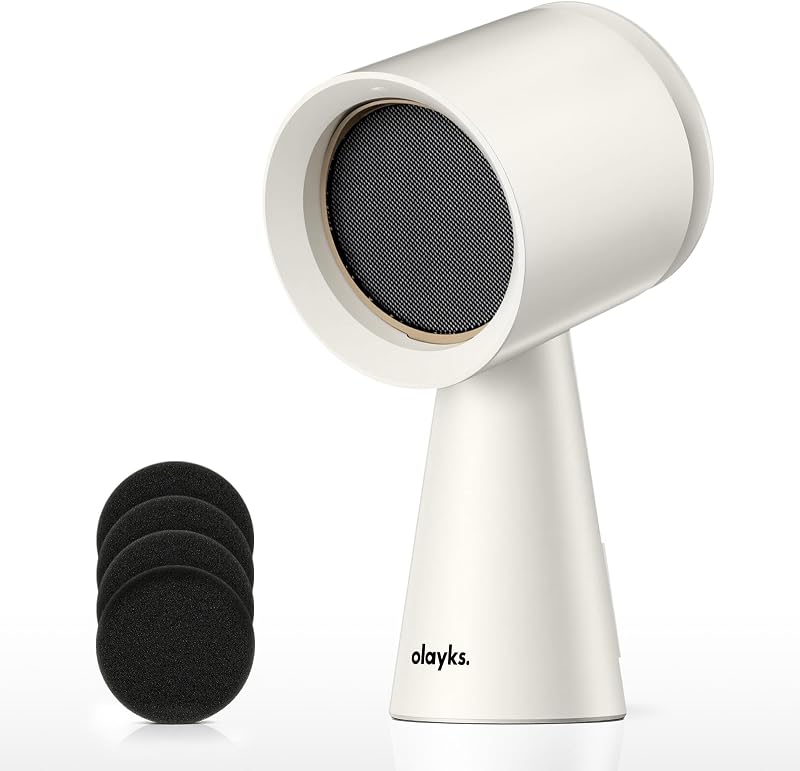
Desktop Range Hood with 5-layer offers a 5-layer filtration layout, a large oil collection cup, low-noise 3-speed operation, and wired countertop exhaust functionality in a clean white finish, catering to buyers who prefer lighter kitchen aesthetics for hot pot, dorm, or RV use.
FAQ
Can the TUCO Portable Range Hood replace an overhead kitchen exhaust fan?
No. The product listing explicitly clarifies that this unit is not designed to replace a full-size overhead range hood. With a 95 CFM motor and a localized capture zone, it functions as a supplemental, near-field exhaust fan intended to reduce grease, steam, and odors directly adjacent to a single cooking pan or burner.
How close does the exhaust fan need to be to the cooking pan?
The manufacturer specifies that best results occur when the intake is positioned within 4 inches of the stove or cooking vessel. Operating the unit further away allows rising thermal plumes to bypass the intake aperture, sharply decreasing grease condensation and smoke extraction performance.
How does the 5-layer filtration system capture grease and odors?
The system utilizes a Quad-Core Condensation Filter to drop the temperature of incoming air, forcing airborne oil and moisture to condense against the aluminum mesh and drain into an oil collector cup. An integrated Activated Carbon Filter then absorbs lingering organic cooking odors before recirculating clean air back into the kitchen.
What are the electrical requirements for running this range hood?
The unit operates on standard 120-volt household electricity, drawing 1.5 amps with a total power consumption of 36 watts. It includes a 70-inch power cord, allowing for flexible positioning on counters, dining tables, or RV kitchen islands without demanding high-draw electrical circuits.
Is the fan loud enough to disrupt conversation while cooking?
The unit operates between 50 dB on its lowest setting and 65 dB on its highest speed. At 50 dB, it produces a mild hum that easily blends into background ambient noise. At 65 dB, it sounds similar to an active conversational voice, remaining manageable for small living spaces and tabletop dining.
While a compact countertop extractor handles light grease and odor control for small setups, heavier cooking demands more robust ventilation and appliance safety. Cooks utilizing higher-heat stovetop appliances should consult our comprehensive Gas Range Guide to better understand ventilation requirements, clearance limits, and indoor air quality best practices. Pairing the right filtration strategy with your specific cooking setup ensures cleaner indoor air without compromising kitchen safety.


