
As Amazon Associates, we earn from qualifying purchases. This means we may receive a small commission at no extra cost to you if you click through and make a purchase.
For homeowners and small facility managers looking to extend network coverage into backyards, parking areas, and detached outbuildings, the TP-Link EAP110-Outdoor serves as a purpose-built, budget-conscious solution. If your primary goal is connecting outdoor smart cameras, garage door openers, irrigation timers, or personal mobile devices across a wide open lawn, this unit offers dependable coverage without demanding expensive enterprise infrastructure. Because it focuses strictly on long-range 2.4GHz signaling, buyers should expect steady reliability over long distances rather than blazing high-bandwidth throughput.
In this detailed TP-Link EAP110-Outdoor review, we examine the practical performance, physical durability, power requirements, and management options of this single-band access point. We explore how its 802.11b/g/n architecture handles typical outdoor network traffic, what kind of installation challenges passive Power over Ethernet introduces, and whether this tp link eap weatherproof access point provides the right balance of simplicity and range for your outdoor property.
What You Get With the TP-Link EAP110-Outdoor
TP-Link EAP110-Outdoor


Photographs published on the Amazon listing.
The package provides the core transmitter along with the required mounting hardware and specialized power equipment needed to deploy an exterior network drop straight out of the box.
- TP-Link EAP110-Outdoor access point hardware unit
- Two detachable 5dBi external omnidirectional waterproof antennas
- Passive PoE power injector with grounded electrical power cord
- Pole mounting strap and wall mounting bracket hardware
- Weatherproof rubber seals and waterproof cable insert for the Ethernet port
- Installation guide detailing initial standalone and controller configurations
- Access to free Omada SDN controller software and the Omada mobile app
Key Specifications
Hardware Attribute
Specification Detail
- Wi-Fi Generation
- Wi-Fi 4 (IEEE 802.11b/g/n)
- Frequency Band
- Single-Band 2.4 GHz
- Maximum Physical Rate
- Up to 300 Mbps (2×2 MIMO)
- Ethernet Interface
- 1 x 10/100 Mbps Fast Ethernet LAN Port
- Power Method
- Passive PoE (48V DC injector included in box)
- Antenna Hardware
- 2 External 5dBi Omni Waterproof Antennas
- Weatherproofing Standard
- IP65-rated dustproof and water-resistant casing
- Wireless Security Protocols
- WPA, WPA2-PSK, WPA/WPA2-Enterprise, 802.1X with RADIUS
- Claimed Coverage Distance
- Up to 200 meters in open line-of-sight conditions
- Centralized Software Support
- Omada SDN platform, Omada cloud access, and Auranet
Copied from the Amazon listing. These figures were not measured here.
Weatherproofing and Outdoor Enclosure Design
Exterior networking hardware must withstand extreme temperature shifts, wind-driven moisture, and UV exposure that would rapidly destroy an ordinary indoor router. The TP-Link EAP110-Outdoor features a sealed, durable plastic housing engineered to meet IP65 dustproof and weatherproof standards. This rating indicates complete ingress protection against windborne dust as well as resistance to water jets projected from any angle, ensuring the device remains operational through heavy rainstorms, snow, and garden sprinkler exposure.
The bottom of the enclosure houses a protected compartment that shields the single Ethernet jack from moisture intrusion. TP-Link supplies a molded rubber gasket and snap-in cable gland that tightly grips the incoming network cable, stopping condensation or driving rain from creeping into the sensitive electrical contacts. Additionally, the dual 5dBi omnidirectional antennas screw into weather-sealed top terminals protected by rubberized collars, keeping water from seeping through the coaxial interface during prolonged downpours.
Mounting flexibility is a distinct advantage of this compact, lightweight chassis. The rear casing incorporates molded brackets compatible with both flat wall mounting and vertical pole attachment using the included zip ties or metal strapping. Placing the unit high on an exterior wall, fascia board, or antenna mast maximizes line-of-sight propagation across your yard, ensuring that tree canopies and structural walls create as few physical obstructions as possible.
Power Over Ethernet and Cable Installation
Powering exterior networking hardware requires careful planning because outdoor electrical outlets are rarely positioned high on exterior eaves or masts. This unit utilizes tp link eap passive poe, meaning electrical current and data travel across the same run of Category 5e or Category 6 Ethernet cable. Instead of scrambling to hire an electrician to install an exterior power outlet, you only need to pull an outdoor-rated network cable from your indoor router or switch to the outdoor mounting site.
It is crucial to understand that this device runs on proprietary 24V to 48V passive PoE rather than active 802.3af or 802.3at standards commonly found on commercial network switches. Connecting this access point directly to an active 802.3af switch will not power the hardware without a compatible step-down converter. Thankfully, TP-Link bundles a dedicated passive PoE injector inside the retail box, allowing you to feed power into the Ethernet line indoors before the cable exits through an exterior wall.
Network integrators connecting this unit alongside an existing indoor system, such as a tp deco mesh wifi system, will simply connect an available LAN port on the primary gateway to the LAN input on the included injector. The PoE output port on the injector then connects to the outdoor line leading directly to the access point. This architecture keeps all AC power connections safely inside the house while delivering clean low-voltage DC power across your exterior cable run.
Wireless Range and 2.4GHz Speed Expectations
When evaluating the tp link eap range, it is essential to align expectations with the physical properties of the 2.4GHz wireless spectrum. The listing advertises outdoor coverage up to 200 meters under unobstructed line-of-sight conditions. While open fields allow the signal to travel surprising distances, dense obstacles such as brick masonry, stucco walls, metal outbuildings, and thick foliage will naturally attenuate the radio waves. In typical residential environments, the dual 5dBi external omnidirectional antennas reliably blanket expansive yards, detached barns, and driveway perimeters.
Prospective buyers must examine the tp link eap110 outdoor specs closely regarding throughput capacity. The unit operates strictly on Wi-Fi 4 (802.11b/g/n) with an N300 ceiling and features a physical 10/100 Mbps LAN port. Because the physical Ethernet jack tops out at 100 megabits per second, real-world data transfers will never exceed approximately 90 to 95 Mbps, regardless of how close you stand to the transmitter. If you are accustomed to the blazing speeds of an indoor tp link ac1900 wireless router, this outdoor unit is noticeably slower by design.
Despite the lack of gigabit throughput, 90 Mbps over a stable 2.4GHz connection is more than sufficient for everyday outdoor utility tasks. Exterior 1080p and 2K security cameras rarely consume more than 4 to 8 Mbps per stream, while Wi-Fi-enabled pool pumps, sprinkler controllers, smart barbecues, and automated garage doors require mere fractions of a megabit. For casual yard use—such as streaming high-definition music, browsing social feeds, or answering video calls from a patio lounge—the bandwidth provided is practical, consistent, and dependable.
Omada Management and Software Setup
The tp link eap setup process accommodates both casual DIY homeowners and advanced multi-site network administrators. For a basic residential installation, the access point can be configured as a standalone device in just a few minutes using a standard web browser or the Omada smartphone application. Once connected, you can configure network names, establish secure WPA2 passphrases, and select optimal 20MHz or 40MHz channel widths to avoid interference from neighboring residential networks.
For more intricate installations, this omada eap outdoor unit integrates into TP-Link’s Omada Software Defined Networking (SDN) ecosystem. Property owners managing multiple access points, switches, and gateways across an expansive estate or rental compound can run the free Omada Controller software on a local computer or network server. Through the centralized interface, you gain full visibility into connected clients, rogue access point alerts, signal strength metrics, and automatic firmware delivery.
The management interface also includes advanced enterprise-grade segmentation tools. You can broadcast multiple SSIDs across the yard to separate private family devices from visitor traffic or vulnerable smart home hardware. The software allows you to assign specific rate limits per SSID, preventing a single outdoor client from consuming the entire network pipe. Additionally, the software supports captive portal authentication, making this hardware a practical option for outdoor business patios, campgrounds, and community pools where guest access terms must be presented before authorization.
TP-Link EAP110-Outdoor Pros and Cons
Pros
- Coverage distance claimed up to 200 meters
- IP65-rated dustproof and weatherproof exterior enclosure
- Passive PoE injector included in the box
- High-gain detachable 5dBi external omnidirectional antennas
- Support for Omada SDN centralized management and app
- Enterprise security options including 802.1X RADIUS authentication
Cons
- Single-band 2.4GHz Wi-Fi 4 connection only
- Physical network speed limited by 10/100Mbps port
- Requires passive PoE instead of standard 802.3af
Check TP-Link EAP110-Outdoor on Amazon
Is the TP-Link EAP110-Outdoor Worth It
Determining whether this tp link eap for outdoor wifi fits your specific needs comes down to your bandwidth requirements versus your budget and physical environment. If your main objective is bringing stable internet to exterior security cameras, an automatic driveway gate, or smart yard irrigation that simply cannot connect to your indoor router, this access point provides an exceptionally economical and durable fix. Its IP65 housing handles severe weather reliably, and the included passive PoE injector removes the need to purchase separate power hardware.
However, if you expect this outdoor access point to mirror the high-speed performance of modern dual-band or tri-band indoor networks, you will likely be disappointed. Users who stream simultaneous 4K HDR entertainment to an outdoor projection theater or download massive multi-gigabyte files while lounging in the garden will run directly into the 10/100 Mbps physical port bottleneck. For high-density family entertainment outdoors, investing in a faster dual-band outdoor unit with gigabit connectivity makes far more sense.
Ultimately, is tp link eap worth it for the budget-conscious homeowner? The answer is a clear yes, provided you need expansive coverage and baseline reliability rather than high-performance gaming speeds. It excels at delivering reliable, long-distance signal across challenging outdoor spaces, providing an uncomplicated path to comprehensive yard-wide connectivity without forcing you into an expensive enterprise networking bracket.
Other Options to Consider
WiFi 7 Dual Band suits power users and commercial properties requiring next-generation throughput, offering BE5000 multi-band speeds, a 2.5G physical port, WPA3 encryption, and seamless mesh roaming that vastly outperforms the modest N300 capabilities of the single-band unit.

Desktop WiFi Bridge works better for indoor desktop spaces, home offices, and media consoles that need multi-SSID client range extender modes alongside AC1200 dual-band gigabit wired bridging rather than a pole-mounted weatherproof exterior casing.
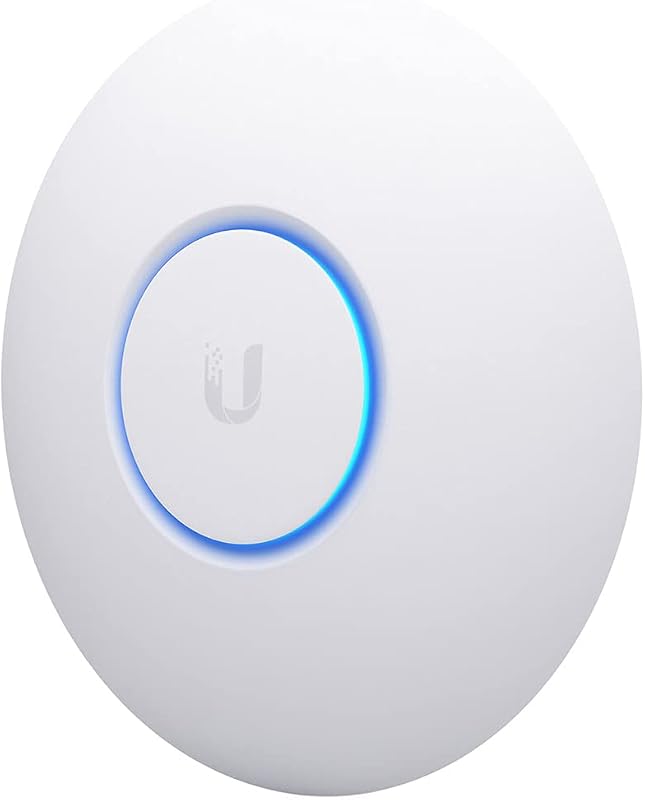
Ubiquiti UniFi nanoHD Compact 802.11ac is an enterprise-oriented ceiling-mount alternative that delivers Wave 2 MU-MIMO dual-band wireless for indoor commercial or high-density residential settings managed within the Ubiquiti ecosystem, appealing to users who do not need outdoor weatherproofing.
FAQ
Does the TP-Link EAP110-Outdoor support 5GHz Wi-Fi frequencies?
No, this model operates exclusively on the 2.4GHz single-band frequency with 802.11b/g/n standards. It does not broadcast a 5GHz wireless signal. While 2.4GHz offers superior range and penetration through foliage and structural walls compared to higher frequencies, it delivers lower top-end speeds.
Can I power this access point with a standard 802.3af PoE switch?
The unit requires passive Power over Ethernet rather than standard 802.3af or 802.3at active PoE. It will not power up when plugged directly into a standard active PoE switch port without an inline adapter. You should use the passive PoE injector included in the box, which accepts standard AC wall power and injects the appropriate DC voltage along the Ethernet cable.
What is the maximum real-world speed you can get from this device?
While the wireless physical signaling rate can reach up to 300 Mbps via 2×2 MIMO technology, the hardware features a 10/100 Mbps Fast Ethernet LAN port. Consequently, real-world data throughput to the internet or your local network is physically capped at roughly 90 to 95 Mbps under ideal conditions.
Do I need to leave a computer running the Omada controller software?
No, the access point operates fully in standalone mode once configured through its local web interface or the Omada smartphone app. You only need to run the Omada SDN controller software continuously if you require advanced central management features such as a guest captive portal, multi-device fast roaming, or continuous data logging.
How does the unit hold up in severe winter weather and freezing temperatures?
The device features an IP65-rated weatherproof and dustproof chassis with rubberized cable entry seals designed for long-term outdoor deployment. It protects against blowing dust, moisture ingress, and rain, making it capable of surviving typical seasonal storms when mounted correctly with the antennas pointing vertically.


