
As Amazon Associates, we earn from qualifying purchases. This means we may receive a small commission at no extra cost to you if you click through and make a purchase.
Shoppers searching for a wireless exterior camera often encounter the Blink Sync Module Core bundled with the Outdoor 4 camera. This combination offers a wire-free entry point into home surveillance, delivering high-definition monitoring without requiring complex electrical work. However, the introduction of the Core hub marks a major shift in how camera clips are handled compared to earlier setups. While previous iterations offered physical interfaces for offline recording, this unit eliminates onboard storage hardware completely, centering the daily user experience on cloud recording and mobile streaming.
Before purchasing this system, you must understand how its storage limits shape your ongoing ownership costs and daily monitoring. This review breaks down the blink module core package, evaluating its included accessories, video resolution, battery longevity, and network workflow. We examine how cloud-dependent hardware compares to alternative bridge models, walk through the initial setup process, and assess whether this streamlined hardware bundle delivers practical value for your security priorities.
What You Get With the Blink Sync Module Core
Blink Sync Module Core


Photographs published on the Amazon listing.
The single-camera bundle packages everything required to set up an active surveillance point on your property, pairing the weather-resistant camera unit with essential power accessories and a dedicated wireless bridge.
- One Blink Outdoor 4 camera
- One Blink Sync Module Core network bridge
- Two AA Energizer lithium batteries
- One camera mounting kit with hardware
- One USB-C power cable
- One power adapter
- Thirty-day free trial of the Blink Subscription Plan
Key Specifications
Feature
Specification
- Camera Resolution
- 1080p HD day live view and infrared night vision
- Audio
- Crisp two-way audio communication via the Blink app
- Battery Longevity
- Up to two years using two included AA Energizer lithium batteries
- Motion Detection
- Dual-zone enhanced motion detection with mobile alerts
- Advanced Detection
- Person detection via embedded computer vision (requires subscription)
- Local Video Storage
- None included; hub lacks USB and microSD slots for direct storage
- Cloud Video Storage
- Supported via Blink Subscription Plan (30-day trial included)
- Smart Home Ecosystem
- Works with Alexa for voice arming, disarming, and live view
- Hub Power Interface
- USB-C cable and dedicated power adapter included
- Bundled Camera Count
- One Outdoor 4 wireless camera included in the base kit
Copied from the Amazon listing. These figures were not measured here.
Storage Options and Subscription Workflow Realities
The primary point of confusion for buyers exploring this equipment centers on clip storage. In earlier configurations, such as the blink outdoor camera sync module 2, users could plug in an external USB flash drive to store video clips locally without recurring fees. The Blink Sync Module Core removes this capability entirely. There is no USB slot or microSD card port on the unit, meaning blink sync module core local storage does not exist on this device. The hardware serves solely as an intermediary bridge between your home Wi-Fi router and the camera.
Because onboard storage is omitted, clip management relies completely on blink sync module core cloud storage through the Blink Subscription Plan. The bundle provides an introductory 30-day free trial, giving you immediate access to cloud clip recording, clip sharing, and automated backups. When the trial expires, you face an operational choice: maintain a blink module core subscription to preserve rolling video history, or operate the system in a live-only capacity. Without an active subscription, the camera and hub continue to deliver real-time smartphone motion alerts and live video streaming, but recorded footage will not be saved for later review.
For homeowners who insist on retaining footage locally without subscription fees, the product documentation notes that offline recording requires purchasing alternative hardware. You would need to invest separately in a Sync Module 2 paired with a USB flash drive, or a Sync Module XR using a MicroSD card. This design makes the Sync Module Core an intentional, cloud-first hub built specifically for users who prefer offloading video processing and clip maintenance to remote servers rather than managing storage drives at home.
Camera Performance and Battery Expectations
The visual foundation of this system is the Blink Outdoor 4, a wireless camera engineered to capture 1080p HD video during daylight alongside infrared night vision after dusk. Motion monitoring has been upgraded over older generations through dual-zone enhanced motion detection, which divides the detection field into separate zones to identify movement faster and notify your smartphone with minimal delay. When paired with an active cloud subscription, the camera leverages embedded computer vision to provide person detection alerts, allowing you to filter out environmental movement and focus on genuine activity around your perimeter.
Power management is one of the main advantages of the blink outdoor 4 sync module core configuration. The camera operates on two included AA Energizer lithium batteries and is rated to last up to two years under typical operating conditions. The Sync Module Core plays an essential role in reaching this energy efficiency. Rather than forcing the outdoor camera to sustain a continuous, battery-draining direct connection to your home router, the camera remains in a low-power standby state until the Sync Module Core signals it to wake upon detected movement or a requested live view.
Prospective buyers comparing hardware across the broader smart home market should remember that performance demands dictate real-world battery consumption. While higher-resolution alternatives like the blink outdoor 4 2k+ demand greater network throughput, the standard Outdoor 4 focuses on balancing reliable 1080p streaming with battery preservation. However, frequent live view access, extensive two-way audio conversations, or positioning the camera in high-traffic entryways can cause battery life to fall below the two-year estimate.
Blink Module Core Setup and Ecosystem Integration
Completing the blink module core setup is straightforward, even for individuals with minimal technical background. The initial stage involves powering the Sync Module Core indoors using the provided USB-C cable and power adapter. Through the mobile Blink app, you scan the QR code located on the hub, link the unit to your 2.4 GHz home Wi-Fi network, and wait for the bridge to establish a steady connection. Once the hub is synchronized, you insert the included AA lithium batteries into the Outdoor 4 camera, pair it within the app, and proceed with physical mounting using the included kit.
Because the camera is entirely wire-free, physical installation provides considerable flexibility. You can attach the mount to exterior siding, brick, or wooden trim near garage doors, back patios, or front walkways without drilling power channels or running outdoor extension cords. The crisp two-way audio system allows you to speak with visitors or delivery couriers directly from your mobile phone. Homeowners looking to expand their monitoring can easily incorporate complementary equipment, such as adding the all-new Blink Video Doorbell + Outdoor 4 to create a cohesive front-door and perimeter monitoring network.
Smart home automation is supported by native Alexa integration. By connecting your Blink account to an Alexa-enabled smart display or smart speaker, you can issue voice commands to arm or disarm the system without opening your phone. You can also prompt supported voice assistants to display multi-camera live views on screen, creating a centralized visual monitoring post on your desk or kitchen counter. This hands-free functionality integrates smoothly into daily routines, letting you check motion alerts with a simple spoken request.
Comparing the Core Hub to Sync Module 2
A closer look at the blink sync module core specs reveals why this model exists alongside other hubs in the lineup. In a direct blink sync module core vs sync module 2 comparison, the fundamental distinction comes down to local hardware flexibility versus simplified cloud operation. The Sync Module 2 earned popularity among budget-conscious users because it included a USB port, allowing buyers to insert a thumb drive and record motion clips locally with zero ongoing monthly costs. The Sync Module Core strips away that USB interface, cementing its role as an entry-level bridge tailored exclusively for cloud subscribers.
This hardware difference represents a trade-off between purchase simplicity and long-term ownership costs. The Sync Module Core kit serves households that already pay for, or plan to maintain, a Blink Subscription Plan. If you run multiple Blink cameras on an account-level cloud plan, the lack of local storage on the Sync Module Core is not a drawback, as all your clips automatically stream directly to secure cloud servers. However, if your primary goal is to run an offline storage setup without recurring charges, the Core hub will not meet your expectations.
In addition to the Sync Module 2, the manufacturer references the Sync Module XR in its documentation, which accommodates MicroSD cards and provides extended wireless range capabilities. If your property demands extensive physical coverage across detached garages or outbuildings, or if you refuse to subscribe to monthly services, sourcing a Sync Module 2 or Sync Module XR independently will provide far better utility. The Sync Module Core remains focused on standard residential setups where cloud backup is accepted as the primary recording method.
Blink Sync Module Core Pros and Cons
Pros
- Up to two-year battery life with lithium batteries
- Sharp 1080p HD daytime and infrared night view
- Dual-zone motion detection with fast alerts
- Wire-free setup with included mounting hardware
- Voice integration with Alexa-enabled devices
Cons
- No local storage ports on the hub
- Clip saving requires paid cloud subscription after trial
- Person detection requires active subscription plan
Check Blink Sync Module Core on Amazon
Is the Blink Sync Module Core Worth It
Deciding whether is blink sync module core worth it depends entirely on how you prefer to manage recorded video and whether you are comfortable paying ongoing subscription fees. If you want a dependable, low-maintenance outdoor surveillance camera that installs in minutes, delivers sharp 1080p HD video day and night, and offers exceptional battery life, this single-camera bundle provides solid utility. It is well-suited for buyers who appreciate cloud access, want person detection alerts powered by computer vision, and prefer having their clips safely backed up off-site where physical equipment damage cannot compromise the footage.
Conversely, this system is not the right fit for consumers seeking a completely subscription-free security setup. Because the Sync Module Core does not feature a USB port or microSD card slot, you cannot attach an external drive for local video archives. If you decline to renew the Blink Subscription Plan once the 30-day trial finishes, your camera is effectively relegated to live viewing and real-time alerts without video clip history. Buyers looking for zero-cost long-term retention will find far greater utility in tracking down a kit built around the Sync Module 2 instead.
Other Options to Consider
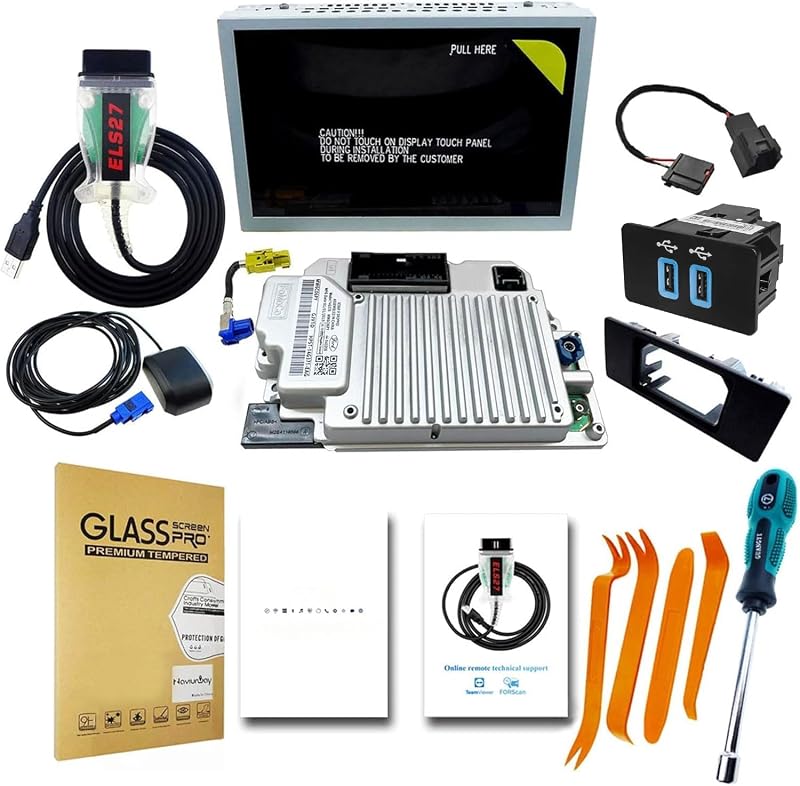
2024 SYNC 2 to SYNC suits drivers seeking an automotive dashboard retrofit rather than home security shoppers, as this upgrade kit is designed specifically for Ford and Lincoln vehicles equipped with 8-inch MyFord Touch displays. While the similarity in name occasionally causes it to appear alongside home surveillance hubs in search queries, this automotive kit contains a replacement APIM module and wired hub to enable modern infotainment features in a car dashboard, making it entirely irrelevant to residential property monitoring.
FAQ
Does the Blink Sync Module Core support USB or MicroSD local storage?
No. The Blink Sync Module Core does not feature any USB ports or MicroSD card slots. It is engineered exclusively as a wireless communication bridge that links your cameras to your home Wi-Fi network and cloud services.
What happens when the 30-day Blink Subscription Plan trial ends?
When the included 30-day trial expires, your camera will still send real-time motion notifications to your phone and allow two-way audio and live view streaming. However, motion clips will no longer be recorded or saved to the cloud unless you subscribe to an ongoing plan or switch to a hub that supports physical drives.
How long do the batteries last in the Blink Outdoor 4 camera?
The Outdoor 4 camera is rated for up to two years of battery life when powered by the two included AA Energizer lithium batteries. Actual battery longevity will vary depending on your device settings, environmental temperatures, and the frequency of detected motion events.
Can I back up clips locally if I own a Blink Sync Module Core?
You cannot back up clips locally directly through the Sync Module Core hardware. To achieve local storage, the listing indicates that you must separately acquire a Sync Module 2 paired with a USB flash drive or a Sync Module XR using a MicroSD card.
Can the Blink Sync Module Core be controlled using voice commands?
Yes. The system works with Alexa-enabled devices, enabling voice commands to arm or disarm your cameras, view multi-camera live video feeds on compatible smart displays, and receive motion announcements.


